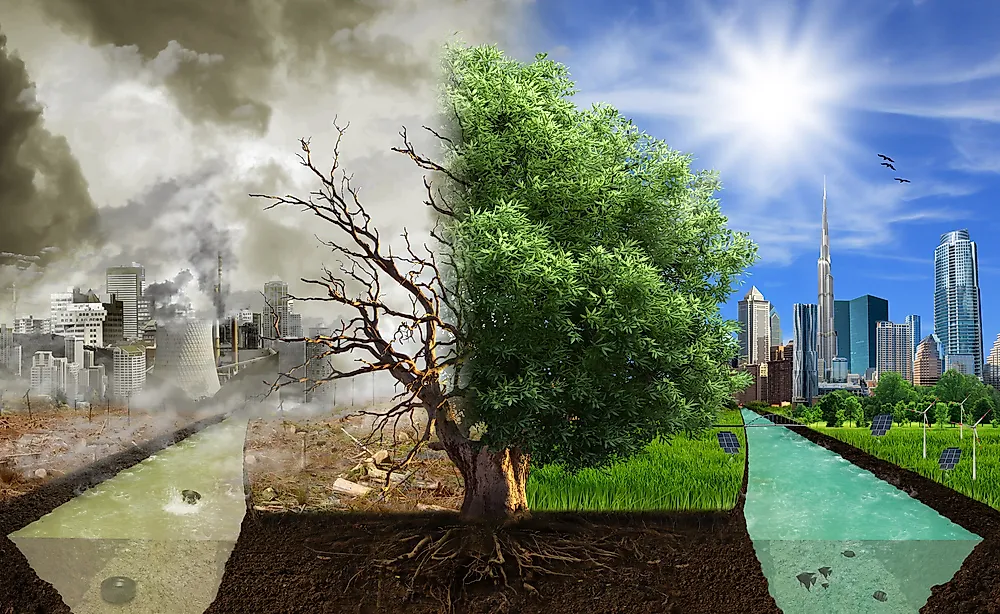
Global warming is one of the most serious environmental challenges facing humanity today. Although the phrase global warming in hindi is commonly searched by people who want explanations in Hindi, many readers also prefer learning the topic through simple English. Understanding global warming is important because its effects are visible all around us, from rising temperatures and melting glaciers to changing rainfall patterns and frequent natural disasters. Scientists have been studying this issue for decades, and the evidence clearly shows that human activities are accelerating climate change. This article explains the concept of global warming, its major causes, environmental and economic impacts, preventive measures, and why every individual should contribute to protecting the planet. By understanding the science and taking practical steps, we can help create a healthier and more sustainable future for generations to come.
What is Global Warming?
Global warming refers to the gradual increase in the Earth’s average surface temperature over a long period. This increase mainly occurs because greenhouse gases trap heat in the atmosphere, preventing it from escaping into space. These gases include carbon dioxide, methane, nitrous oxide, and water vapor. Human activities such as burning fossil fuels, industrial production, transportation, and deforestation have significantly increased the concentration of these gases.
Many people search for global warming in hindi because they want a simple explanation of the concept. In simple terms, global warming is like wrapping the Earth in an extra blanket that traps too much heat. While some greenhouse gases are necessary to maintain life, excessive emissions disturb the Earth’s natural temperature balance. As a result, average global temperatures continue to rise, affecting ecosystems, wildlife, agriculture, and human health.
Major Causes of Global Warming
Several human activities contribute to global warming. These activities have intensified rapidly since the Industrial Revolution.
Burning Fossil Fuels
Coal, oil, and natural gas are burned to generate electricity, power vehicles, and operate industries. This process releases enormous amounts of carbon dioxide into the atmosphere, making it the leading cause of global warming.
Deforestation
Trees absorb carbon dioxide and release oxygen. Large-scale deforestation reduces the Earth’s ability to remove carbon dioxide naturally, increasing greenhouse gas concentrations.
Industrial Activities
Factories release greenhouse gases through manufacturing processes. Cement production, chemical industries, and heavy manufacturing contribute significantly to global emissions.
Agriculture
Livestock farming produces methane, while excessive fertilizer use releases nitrous oxide. Both gases are much more effective at trapping heat than carbon dioxide.
Waste Management
Landfills produce methane as organic waste decomposes. Poor waste disposal practices increase greenhouse gas emissions worldwide.
The increasing interest in global warming in hindi reflects people’s desire to understand these causes in simple language and become more environmentally aware.
Greenhouse Gases and Their Sources
The following table highlights the major greenhouse gases and their primary sources.
| Greenhouse Gas | Main Sources | Environmental Impact |
|---|---|---|
| Carbon Dioxide (CO₂) | Fossil fuels, industries, deforestation | Major contributor to global warming |
| Methane (CH₄) | Livestock, landfills, rice farming | Traps much more heat than CO₂ |
| Nitrous Oxide (N₂O) | Fertilizers, agriculture | Strong greenhouse gas affecting climate |
| Fluorinated Gases | Industrial processes | Extremely powerful heat-trapping gases |
Understanding these greenhouse gases helps explain why reducing emissions is essential for slowing climate change.
Effects of Global Warming
The consequences of global warming are already visible in many parts of the world. Rising temperatures affect both natural ecosystems and human societies.
One major effect is the melting of glaciers and polar ice caps. As ice melts, sea levels rise, threatening coastal cities and island nations. Flooding, coastal erosion, and displacement of populations become increasingly common.
Another important impact is changing weather patterns. Many regions experience stronger storms, prolonged droughts, heatwaves, and unpredictable rainfall. Farmers struggle with reduced crop production, leading to food shortages and economic losses.
Wildlife also suffers greatly. Many species lose their natural habitats due to changing temperatures, forest fires, and habitat destruction. Some animals are forced to migrate, while others face extinction.
People searching for global warming in hindi often want to understand these practical consequences because they directly affect daily life, agriculture, and health.
Impact on Human Health
Global warming has serious consequences for human health. Rising temperatures increase heat-related illnesses such as heatstroke and dehydration. Elderly individuals, children, and people with chronic illnesses are particularly vulnerable.
Warmer climates also encourage the spread of mosquitoes carrying diseases like malaria and dengue fever. Air pollution worsens respiratory illnesses such as asthma and lung infections.
Food security becomes another concern. Climate change affects agricultural productivity, leading to reduced food availability and higher prices. Poor nutrition and food shortages may increase in vulnerable regions.
Water scarcity is another growing issue. Droughts reduce freshwater supplies, affecting drinking water, sanitation, and hygiene. These health challenges demonstrate why combating global warming is essential for protecting communities worldwide.
Economic Consequences of Global Warming
Global warming also creates significant economic challenges. Governments spend billions of dollars repairing infrastructure damaged by floods, hurricanes, wildfires, and storms.
Agriculture suffers from unpredictable weather, resulting in crop failures and financial losses for farmers. Fisheries decline due to warming oceans, affecting livelihoods and food supplies.
Tourism industries dependent on snow-covered mountains, coral reefs, and natural landscapes also face declining visitor numbers as environmental conditions deteriorate.
Insurance companies experience increasing claims from climate-related disasters, leading to higher insurance premiums for individuals and businesses. These economic impacts highlight the importance of investing in climate adaptation and sustainable development.
Ways to Reduce Global Warming
Everyone can contribute to reducing global warming through simple lifestyle changes. Governments, industries, and individuals all have important roles to play.
Some effective measures include:
- Plant more trees to absorb carbon dioxide.
- Reduce the use of fossil fuels.
- Switch to renewable energy such as solar and wind power.
- Use public transportation, cycling, or walking whenever possible.
- Save electricity by using energy-efficient appliances.
- Reduce plastic waste and recycle materials.
- Conserve water and natural resources.
- Support sustainable farming and environmental conservation.
When people search for global warming in hindi, they are often looking for practical solutions that they can apply in everyday life. Even small actions, when adopted by millions of people, can make a meaningful difference.
Role of Governments and International Organizations
Governments play a critical role in controlling greenhouse gas emissions. They create environmental policies, establish emission standards, promote renewable energy, and encourage sustainable industries.
International cooperation is equally important because climate change affects every country. Nations work together through global climate agreements to reduce emissions, share clean technologies, and provide financial support for climate adaptation projects.
Investment in scientific research helps develop cleaner technologies, electric vehicles, energy-efficient buildings, and sustainable agricultural practices. Public awareness campaigns also educate citizens about environmental responsibility.
Strong cooperation between governments, businesses, researchers, and communities increases the chances of successfully addressing global warming.
Why Environmental Awareness Matters
Environmental awareness encourages people to understand how their daily activities affect the planet. Educated individuals are more likely to conserve energy, reduce waste, recycle materials, and support environmentally friendly products.
Schools, colleges, media organizations, and community groups all contribute to spreading awareness. Educational campaigns inspire future generations to adopt sustainable habits and become responsible global citizens.
The popularity of searches related to global warming in hindi demonstrates that people are increasingly interested in learning about climate change and environmental protection. Easy-to-understand educational content helps bridge knowledge gaps and encourages positive action.
Conclusion
Global warming is a global challenge that requires immediate attention from governments, industries, communities, and individuals alike. Rising temperatures, extreme weather events, melting glaciers, declining biodiversity, and health risks clearly demonstrate the urgent need for action. Reducing greenhouse gas emissions, protecting forests, promoting renewable energy, and adopting sustainable lifestyles can significantly slow the pace of climate change.
Read more: Climate Change Performance Index
Leave a Reply